Structural Versatility of Square Steel Tube in Fabrication
Release time:2026-01-20 Click:22
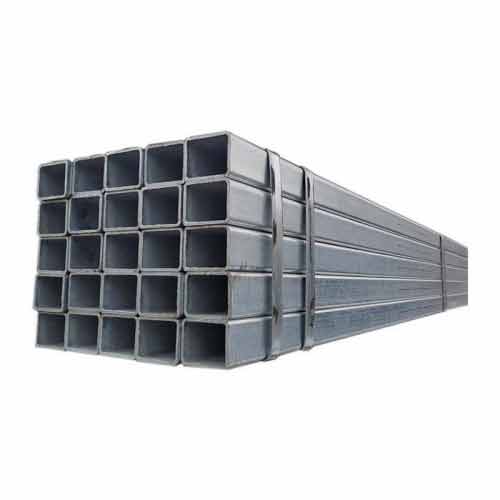
The square steel tube, also known as a hollow structural section (HSS), is a fundamental component in modern metal fabrication and construction due to its superior geometric symmetry and load-bearing capabilities. Unlike round pipes, which have a single axis of symmetry, square tubes offer uniform strength in all directions, making them ideal for columns, beams, and frames where multi-directional forces are present. The hollow interior reduces weight without significantly compromising structural integrity, a property that is highly valued in aerospace, automotive, and architectural applications where minimizing dead load is crucial. This efficiency allows engineers to build lighter structures that can still support heavy loads, reducing material costs and foundation requirements.
In construction, the square steel tube is extensively used for creating support frameworks for buildings, bridges, and industrial platforms. Its flat surfaces make it easier to connect to other structural elements using welding, bolting, or bracketing, unlike round tubes which require complex coping or fishing for proper joints. This ease of connection speeds up on-site assembly and reduces labor costs. Furthermore, the aesthetic appeal of exposed square tubing has made it a popular choice for modern architectural designs, such as glass curtain wall mullions and minimalist furniture. The sharp, clean lines of the tube contribute to a contemporary look that blends well with industrial materials like concrete and glass.
The corrosion resistance of square steel tube can be enhanced through various surface treatments. Hot-dip galvanizing creates a zinc coating that protects the steel from rust, making it suitable for outdoor and marine environments. For interior applications or where a specific color is desired, powder coating provides a durable, decorative finish that resists chipping and scratching. In aggressive chemical environments, stainless steel square tubes offer inherent corrosion resistance without the need for additional coatings. However, the hollow nature of the tube means that water can accumulate inside if the ends are not sealed, potentially leading to internal corrosion. Therefore, proper drainage or end-cap sealing is essential during installation to ensure longevity.
When comparing square steel tube to other structural shapes like I-beams or angle iron, the tube offers superior torsional resistance. An I-beam is strong in vertical bending but weak in torsion, whereas a square tube resists twisting forces effectively. This makes it the preferred choice for structures subject to wind loads or seismic activity, where torsional stability is critical. Additionally, the hollow core allows for the routing of utilities—such as electrical wiring, plumbing, or HVAC ducts—through the structure itself, keeping services concealed and protected. This multifunctionality streamlines the construction process, making the square steel tube an economical and efficient solution for complex engineering challenges.
Previous article:Structural Versatility of Square Steel Tube in Fabrication
Next article:Outdoor Applications Galvanized Square Steel: Anti-Rust Barrier
Hot products
Mobile: +86 15097722953
Email:metalproducts2021@163.com
Email:1755383270@qq.com